DalaHealth
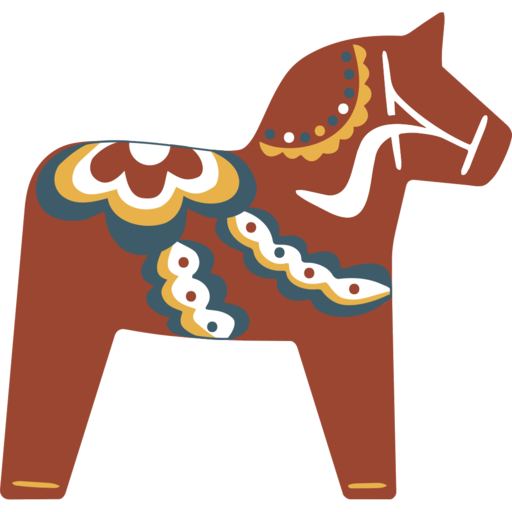
Why a small wooden horse from Sweden sits at the heart of our name.
The dalahäst, or Dala horse, comes from Dalarna, a forested province in central Sweden. For centuries, woodcarvers there whittled small horses from leftover pine during the long winter evenings, often as toys for their children.
Today the horses are still carved and painted by hand in the village of Nusnäs, near Lake Siljan, much as they have been for generations.
Each horse is cut from a single block of wood, carved by hand, dipped in paint, and decorated freehand in the kurbits style, the flowing floral patterns of Dalarna folk art. The classic horse is a deep red, though they come in every colour.
No two are exactly alike. That's the point: each one is made slowly, with attention, by someone who has practised the craft for years.
The Dala horse went from a regional craft to a national emblem in the twentieth century, helped along when a giant one stood outside Sweden's pavilion at the 1939 New York World's Fair. Today it's one of the most recognised symbols of Sweden, standing for steadiness, strength, and care.
Good health care should feel the way a Dala horse is made: steady, personal, and done well. No rushed visits and no one-size-fits-all plans. Just thoughtful care, clear next steps, and follow-through you can count on.
Dala is named for the horse. We're inspired by what it stands for.
Begin — 01